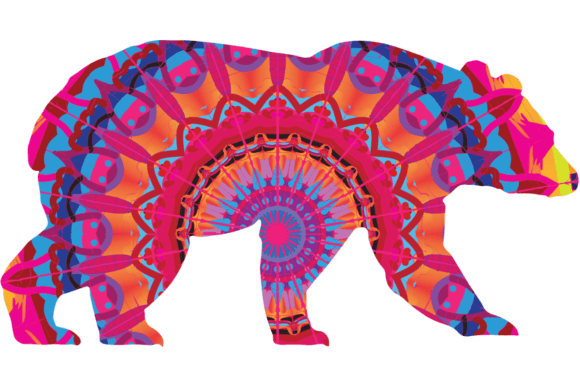
Turtle with Mandala Pattern
A Calm, Centered Design That Earns Its Place on Real Projects
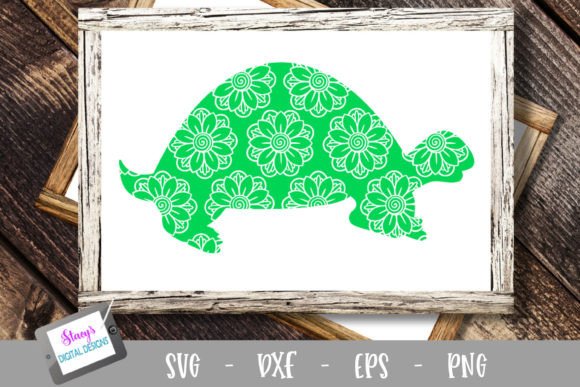
First impression? This isn’t just a turtle wearing florals—it’s a quiet invitation to pause. The Turtle with Mandala Pattern balances organic softness (the gentle curve of the shell, the subtle taper of the limbs) with intentional symmetry (the layered mandala rings radiating from the center). It feels grounded but not heavy, detailed but not fussy. As an embroidery designer who’s stitched hundreds of nature-themed motifs, I immediately saw its potential—not as a novelty clipart piece, but as a thoughtful design asset for handmade products that carry meaning: baby blankets, boutique aprons, mindful wellness merch, or personalized gifts where intention matters as much as aesthetics.
Where It Shines in Real Embroidery Work
I tested Turtle with Mandala Pattern on a medium-weight cotton canvas tote bag—my go-to for client samples—and it held up beautifully. The outer mandala ring reads clearly at 4.5 inches wide, and the inner floral elements retain legibility without overcrowding. On sweatshirt embroidery, it works best centered on the chest or upper back: the balanced weight keeps it from dragging visually, and the mandala’s radial structure helps distribute stitch density evenly across the fabric surface. For baby embroidery—think onesies or burp cloths—the turtle’s rounded silhouette reads instantly, even at smaller scales (down to ~3.2 inches), and the mandala adds quiet sophistication without looking overly complex for tiny garments.
It also translates well to embroidered patches: the clean outer edge and defined negative space between mandala layers make it easy to digitize cleanly for border stitching. As a tote bag design or kitchen towel motif, it lands with warmth and craftsmanship—not generic, not trendy, but quietly memorable. Etsy sellers will appreciate how it photographs well in natural light, supports cohesive branding (think “slow craft,” “earth-conscious gifting,” or “mindful nursery”), and appeals across age groups: grandparents buying baby embroidery, teens choosing custom apparel, adults selecting holiday embroidery for loved ones who value symbolism over slogans.
Where to Proceed Thoughtfully
This design asks for attention—not in a demanding way, but in a respectful one. On highly textured fabrics like terry cloth or bouclé, the finer mandala lines may soften; test with a lightweight tear-away stabilizer and slightly reduced stitch density. On thin or stretchy fabric (like jersey tees), reinforce with cutaway stabilizer behind the hoop—especially under the dense fill-stitch areas near the turtle’s head and central mandala core—to prevent puckering or distortion.
Dark fabric demands careful thread color planning: the mandala’s delicate inner petals can fade if matched too closely in tone. I recommend testing contrast using black-and-white mockups first—this reveals which layers truly pop and which risk blending. On curved surfaces like caps, avoid placing the full design across the front crown unless you’re using a cap frame; instead, scale it down and position it above the bill for cleaner satin stitch execution.
Small hoop sizes (under 4” x 4”) require trimming the outermost mandala ring or simplifying inner details—this isn’t a fault of the file, but a reality of machine embroidery constraints. And while the design includes SVG, EPS, PNG, and DXF files (ideal for sublimation, cut files, or print projects), remember: those aren’t embroidery files out of the box. You’ll need to digitize Turtle with Mandala Pattern for your specific machine—or verify the seller provides a pre-digitized embroidery file format (DST, PES, etc.) before committing to production.
What It Adds to Your Finished Product—Beyond Looks
Stitching Turtle with Mandala Pattern elevates perceived value. Customers notice the balance—the turtle’s calm presence paired with the mandala’s intricate yet harmonious geometry. It signals care in selection, not just execution. For craft business owners, it strengthens brand consistency when used across product lines: same motif on a tea towel, pillow cover, and baby onesie creates quiet cohesion. For personalized gifts, it invites storytelling (“We chose the turtle for patience, the mandala for wholeness”), deepening emotional resonance.
It also builds trust. Unlike overly busy or pixelated graphics, this design reads as intentional and professionally considered—key for small shop products competing alongside mass-produced items. In holiday embroidery or wedding gifts, its serene energy stands apart from clichéd motifs. And because it avoids text or narrow trends, it stays relevant season after season, making it a smart long-term addition to your design assets library.
Practical Notes Every Embroiderer Should Check
- Always test Turtle with Mandala Pattern on scrap fabric first—especially if combining with other motifs or using specialty threads.
- Review stitch density in your embroidery software: high-density fill areas may benefit from reduced density or alternate stitch types for breathability on wearable items.
- Confirm hoop size compatibility before hooping—some mandala layers extend farther than expected.
- Inspect small details like petal tips and shell texture lines at actual stitch-out size; what looks crisp on screen may need slight cleanup in digitizing.
- Test thread colors on both light and dark fabric backgrounds—contrast shifts dramatically depending on base tone.
- Use appropriate stabilizer: lightweight for cottons, cutaway for knits, and mesh for sheer or delicate textiles.
- Verify licensing terms before selling finished products or bundling Turtle with Mandala Pattern into digital embroidery bundles—Stacy’s Digital Designs markets it for crafts and graphics, but commercial embroidery rights depend on their specific license.
- Compare printable mockups side-by-side with real stitch-outs to calibrate expectations—digital previews often flatter detail more than thread can deliver.
A Design That Works With You—Not Just On You
Turtle with Mandala Pattern doesn’t shout. It settles in. That’s its strength—and why it belongs in your working library, not just your inspiration folder. Whether you’re an Etsy seller building a signature style, a small shop owner curating meaningful merchandise, or a hobbyist stitching gifts that feel personal and polished, this design supports intentionality. It rewards attention to detail, respects fabric behavior, and delivers quiet impact. Not every embroidery file earns that kind of trust. This one does.