Floral Pattern SVG: Elegant, But Embroider Carefully
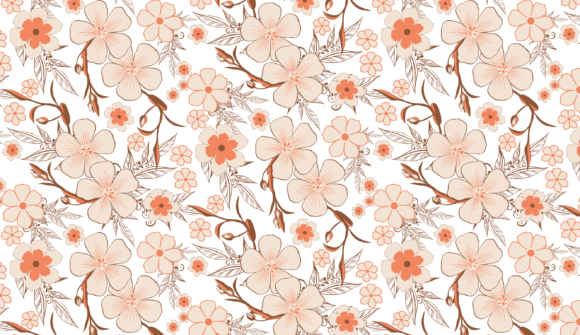
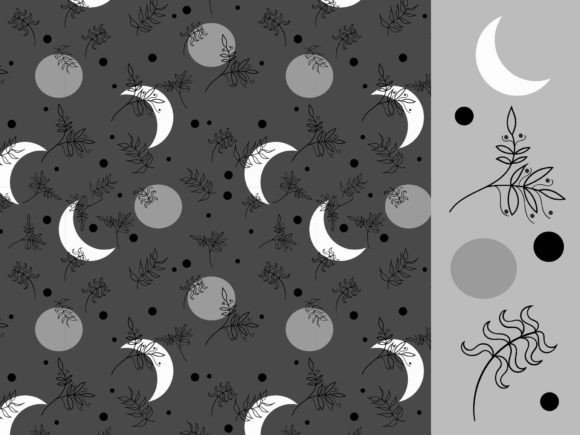
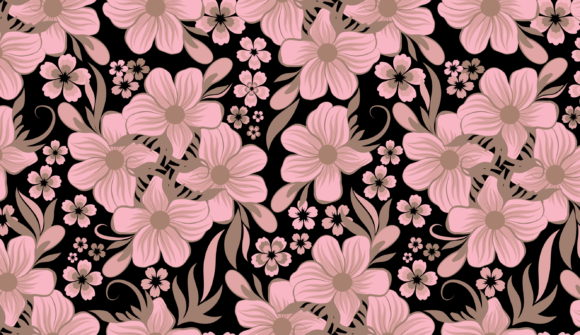
As a designer who’s stitched hundreds of custom pieces—from boutique aprons to Etsy baby onesies—I opened Floral Pattern Svg expecting delicate charm. What I found was a quietly confident design: soft pink blooms and muted gray leaves flowing across a deep black background. It doesn’t shout. It invites. That mood—elegant, grounded, slightly romantic—is its strongest asset. But elegance in vector form doesn’t automatically translate to clean embroidery. So I tested it—not on screen, but mentally, stitch by stitch—against real projects I’ve made this year.
First Impressions: Mood Over Markup
The seamless repeat is subtle, not aggressive—no hard edges or jarring transitions. That’s rare in floral patterns meant for repeats. The flowers aren’t overly detailed (no tiny stamens or vein-heavy petals), and the leaves are simplified but still expressive. Visually, it leans into quiet luxury: think linen pillow covers for a Brooklyn café, not glittery festival tees. It feels handmade *in intention*, even before thread touches fabric. That matters—because when your customer sees a finished tote bag with Floral Pattern Svg, they’re not just buying embroidery; they’re buying a feeling of considered care.
Where It Shines—and Where It Pauses
I pictured it first on a heavyweight cotton canvas tote—unlined, natural weave, black base fabric. Perfect match. The pink and gray threads pop without competing, and the black background lets the stitch work breathe. Same goes for sweatshirt embroidery: thick fleece absorbs dense fill stitches well, and the pattern’s moderate scale (no micro-details) avoids “mushiness” at 8–10 inches wide.
It also works beautifully on nursery decor—a crib sheet corner, a muslin swaddle border, or a framed embroidery hoop for baby’s room. The soft palette reads gentle, not cutesy. For holiday embroidery? Think velvet napkins or embroidered tea towels for a winter brunch—paired with cream or charcoal thread, not stark white.
But here’s where I paused: caps and curved surfaces. The pattern’s flow relies on horizontal continuity. On a structured cap front, that seam line cuts right through the repeat—and unless you’re willing to manually adjust the placement (or crop tightly), it risks looking disjointed. Same with tiny baby onesies: the smallest hoop size I’d trust here is 4x4”, and even then, I’d use only one full motif—not the full repeat—as a chest accent.
Fabric & Function: Know Your Limits
Floral Pattern Svg assumes stability. On thin or stretchy fabrics—like jersey t-shirts or lightweight rayon—it needs serious backing: cutaway stabilizer, possibly two layers. Without it, those gray leaf stems could pucker or distort, and pink fill areas might shift under tension. And while black fabric is ideal (matching the vector background), don’t assume it’ll read clearly on navy or charcoal unless you test thread contrast first—some pinks dull fast on near-black tones.
Washability? It’s fine—if stitched cleanly. But avoid high-density fill in tight corners or overlapping petals if the finished product will go through frequent machine washes (think kids’ kitchen towels or toddler aprons). Running stitch outlines help define shape over time, and satin stitch borders around key blooms add durability without heaviness.
What It Does for Your Craft Business
For Etsy sellers and small shop owners, Floral Pattern Svg isn’t a quick-sale “trend drop.” It’s a slow-burn brand builder. Use it consistently across your line—embroidered patch sets, matching pillow + towel bundles, branded tote bags—and it becomes part of your visual signature. Customers begin to recognize that soft pink/gray/black rhythm as *yours*. That builds trust faster than any tagline.
It also elevates perceived value. A plain black sweatshirt with this pattern feels intentional, curated—not generic. That justifies a higher price point, especially paired with quality thread and thoughtful finishing (like merrowed edges on patches or French seams on pillow covers).
But be honest: it’s not for every customer. If your audience loves bold graphics, neon accents, or maximalist layouts, this design may feel too restrained. It suits buyers who appreciate subtlety—the kind who read fabric labels and notice hem stitching.
Practical Designer Notes Before You Stitch
- Test on scrap first—especially with your actual fabric, stabilizer combo, and thread brands. Vector elegance ≠ automatic stitch clarity.
- Check stitch density in the leaf stems and flower centers. If your machine struggles with tight fills, simplify or reduce density in those zones.
- Confirm hoop size compatibility. Seamless doesn’t mean “fits any hoop”—it means the repeat aligns. You’ll still need space for the full motif you intend to use.
- Inspect small details at actual stitch size. Those gray leaf tips? They’re lovely on screen—but zoom in on your embroidery software preview to ensure they won’t vanish into fill or blur on fabric.
- Mock it up in black and white before finalizing thread colors. Pink-on-black can read flat without tonal variation—try a dusty rose + charcoal gray combo instead of bright fuchsia.
- Verify licensing before selling finished items or bundling Floral Pattern Svg into digital embroidery kits. As a Patterns and Graphics asset, its commercial use depends on the license—not just your creativity.
In short: Floral Pattern Svg is a refined, versatile embroidery file—if you treat it like a collaborator, not a shortcut. It rewards attention to detail, fabric choice, and context. Use it thoughtfully on a custom apron for a local bakery, a set of holiday tea towels for your craft fair booth, or a personalized baby blanket, and it delivers quiet confidence. Skip the test run, ignore thread contrast, or force it onto unstable fabric—and even the most elegant pattern will look like an afterthought.
That’s the difference between a design you own—and one that owns your project.